Kynd Studios View timetable →
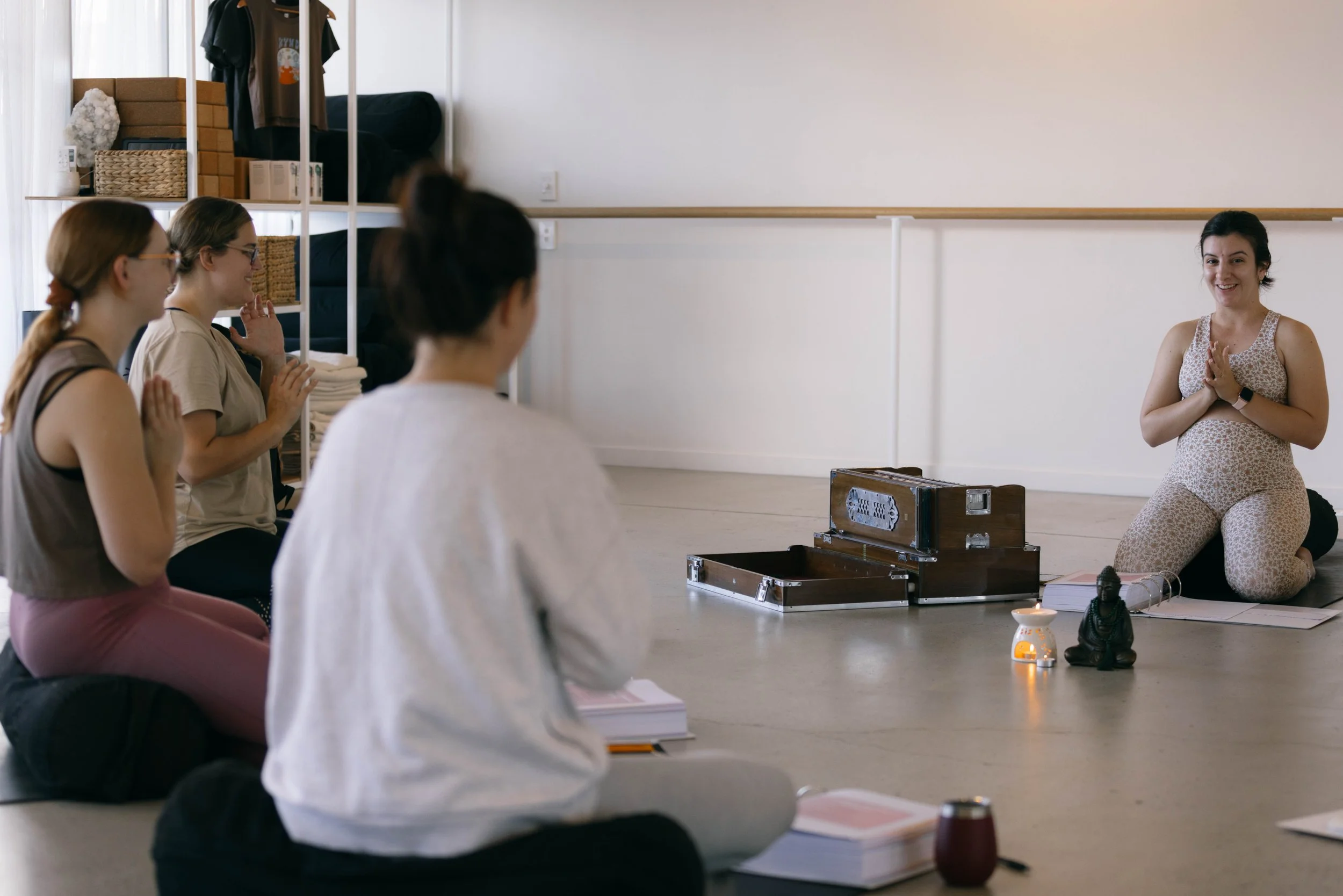
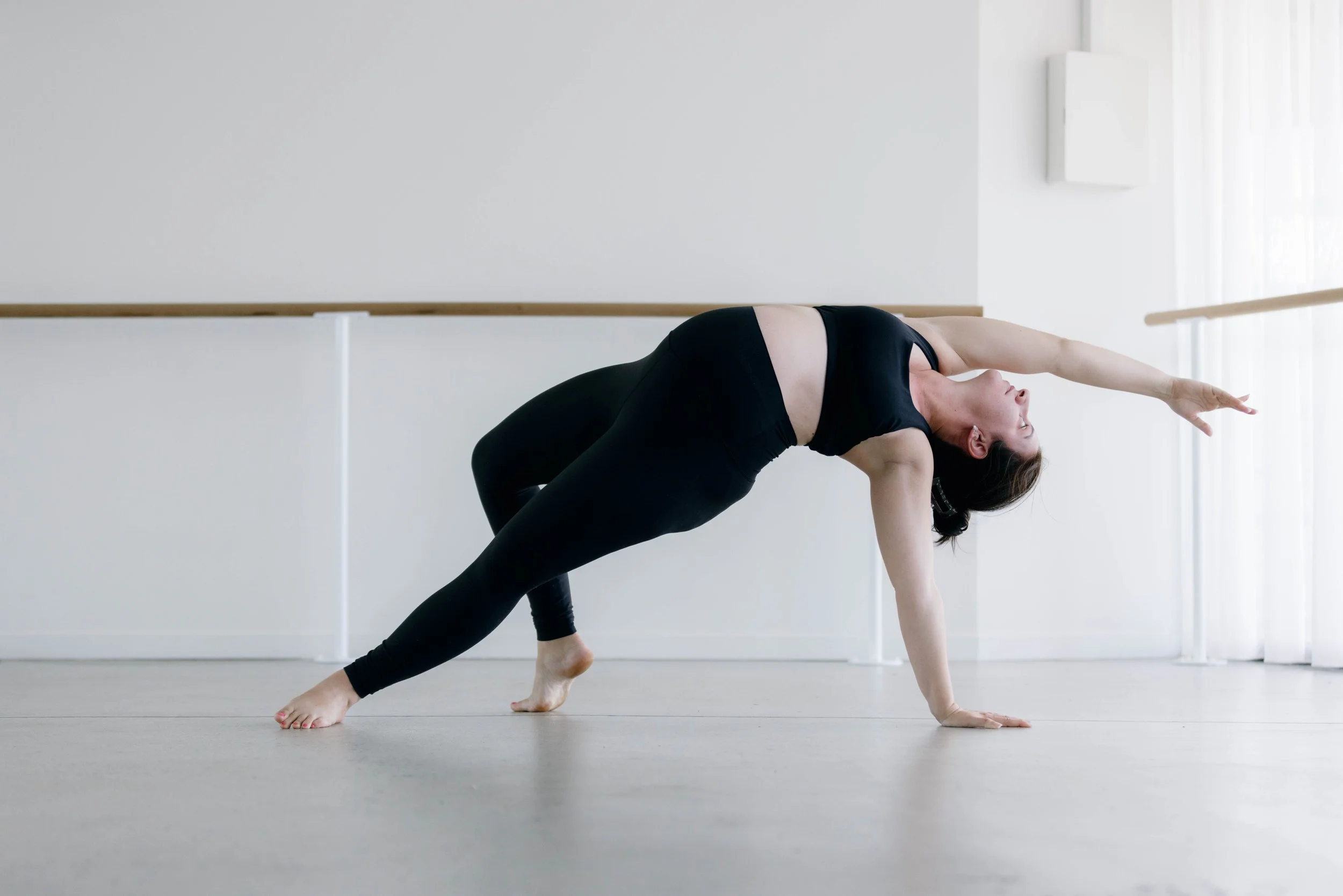
Claudia — pregnant, practicing yoga
Yoga & Pilates in every season

Pregnancy &
Postpartum.

We're passionate about supporting you to feel amazing in your body — during conception, pregnancy, and long into your postpartum journey. You are always welcome at Kynd.

We do not endorse bounce-back culture ✦ You belong here
Is Kynd right for you? Benefits Trimester guides Evidence Local practitioners Pregnancy FAQs Returning postpartum Mums & Bubs

Pregnant? Welcome. Postpartum? Welcome. Trying to conceive? Welcome. Fourth trimester? Welcome. You're always welcome at Kynd.

Is Kynd right for you right now?

Our checklist
for pregnancy.

If you can tick these boxes, you are welcome in our studio at any stage of your pregnancy. We'll take care of the rest.

Are you pregnant?
Do you want to move your body?
Do you feel well enough to move — for your body and/or mind?
Is your pregnancy uncomplicated or low-risk?
If not low-risk — does your healthcare provider give clearance to participate in yoga and/or Pilates?
Claudia — pregnant at Kynd
Why move with us

The benefits across
every season.

When trying to conceive
Yoga & Pilates when TTC
Stress reduction and nervous system regulation
Finding like-minded friends and community
Supports mental health, especially in the TWW
Nervous system regulation strategies
Maintenance of physical health
During pregnancy
Yoga & Pilates in pregnancy
Reduces back pain
Eases constipation
May decrease risk of gestational diabetes, preeclampsia, and cesarean birth
Improves fitness and strengthens your heart and blood vessels
Stress reduction and tool building for postpartum
Increased body awareness and moments to check in with yourself and your baby
Postpartum
Yoga & Pilates postpartum
A moment for self-care — nurturing the nurturer
Meeting or finding your village
Supports mental health with the load of a new baby
Supports physical health and recovery
Nervous system and mental health tools (breath, body, mind, spirit)
Resource sharing and discovering practitioners to further support postpartum
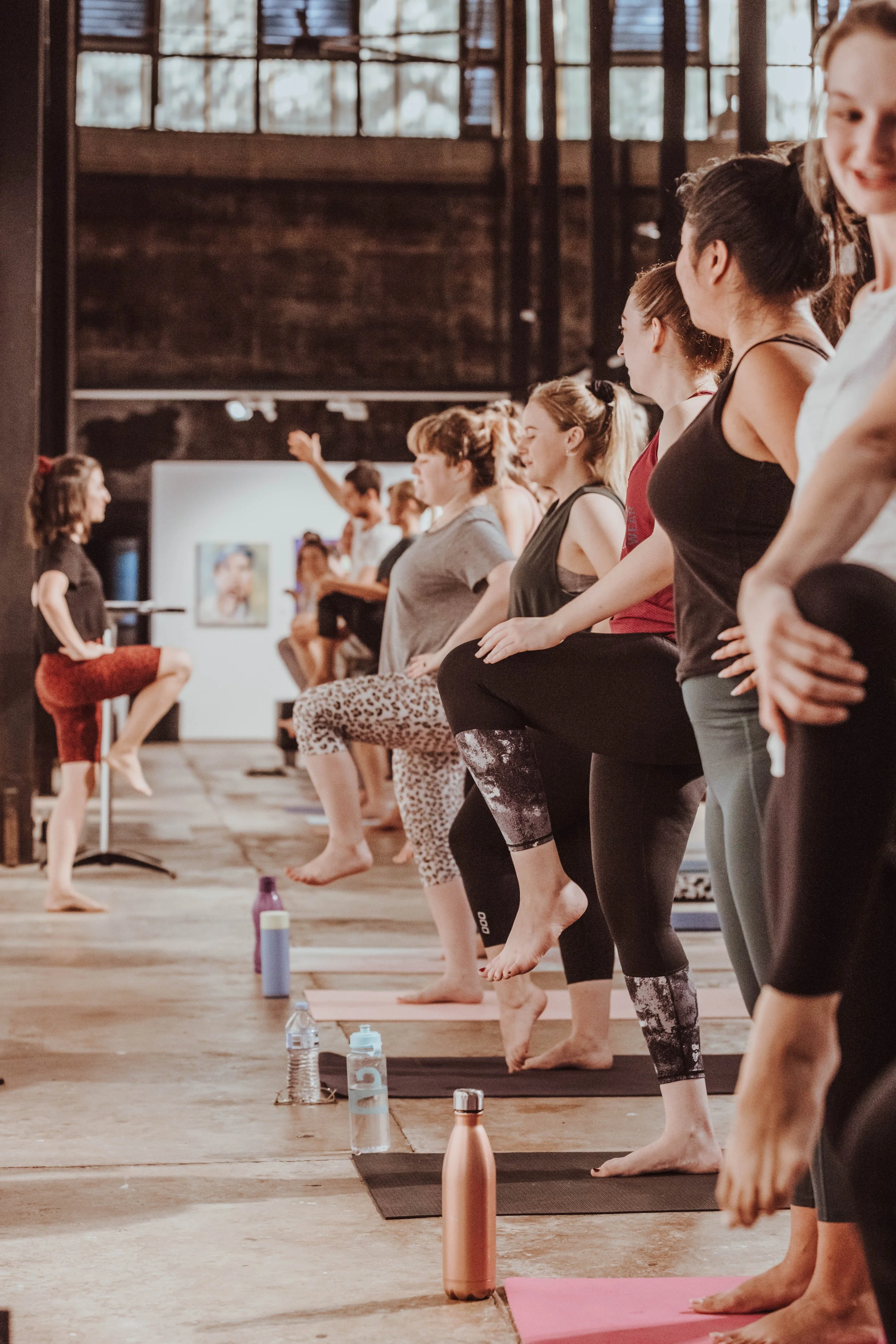
Barre class at Kynd
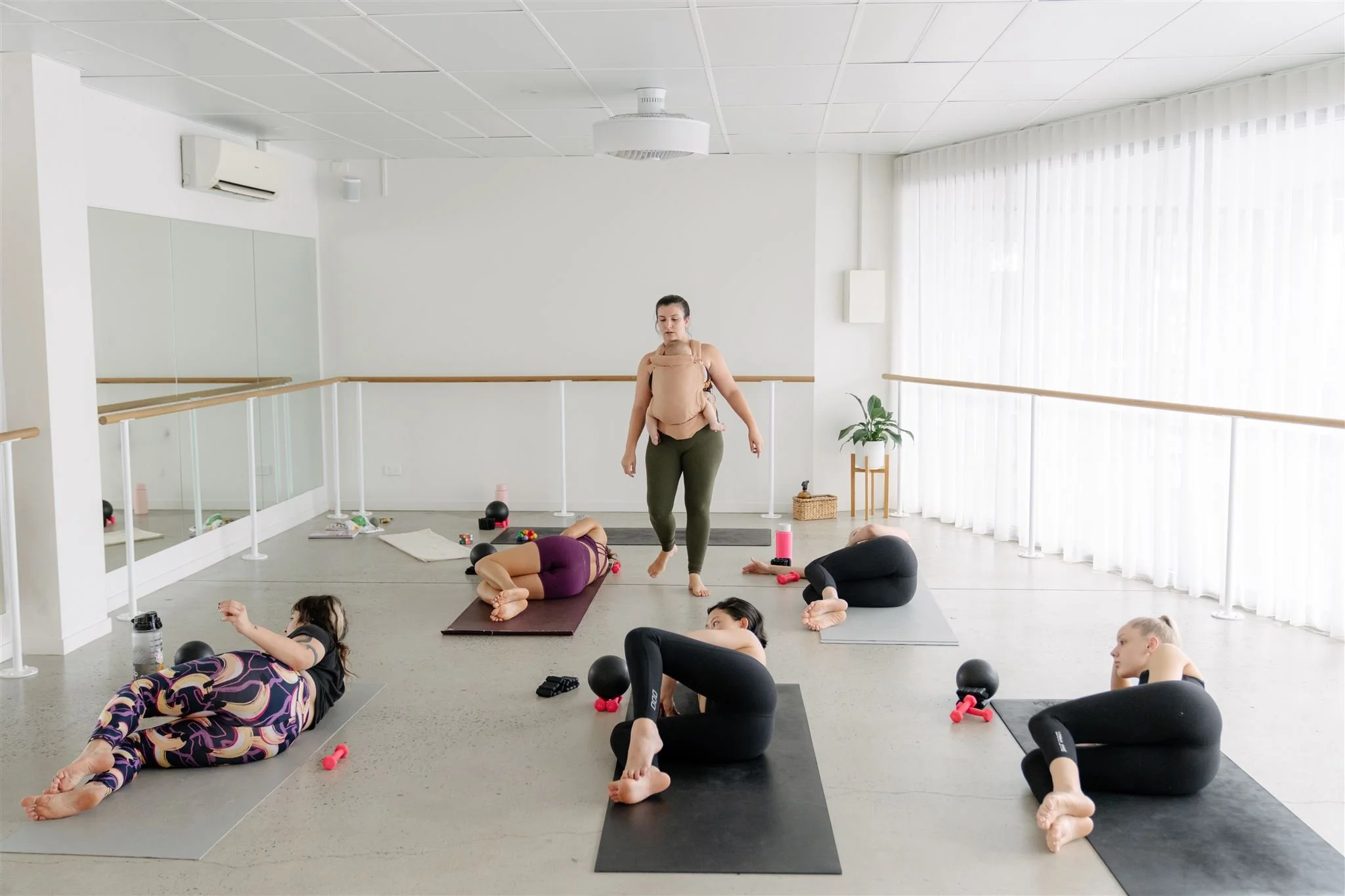
Claudia — baby carrier Pilates
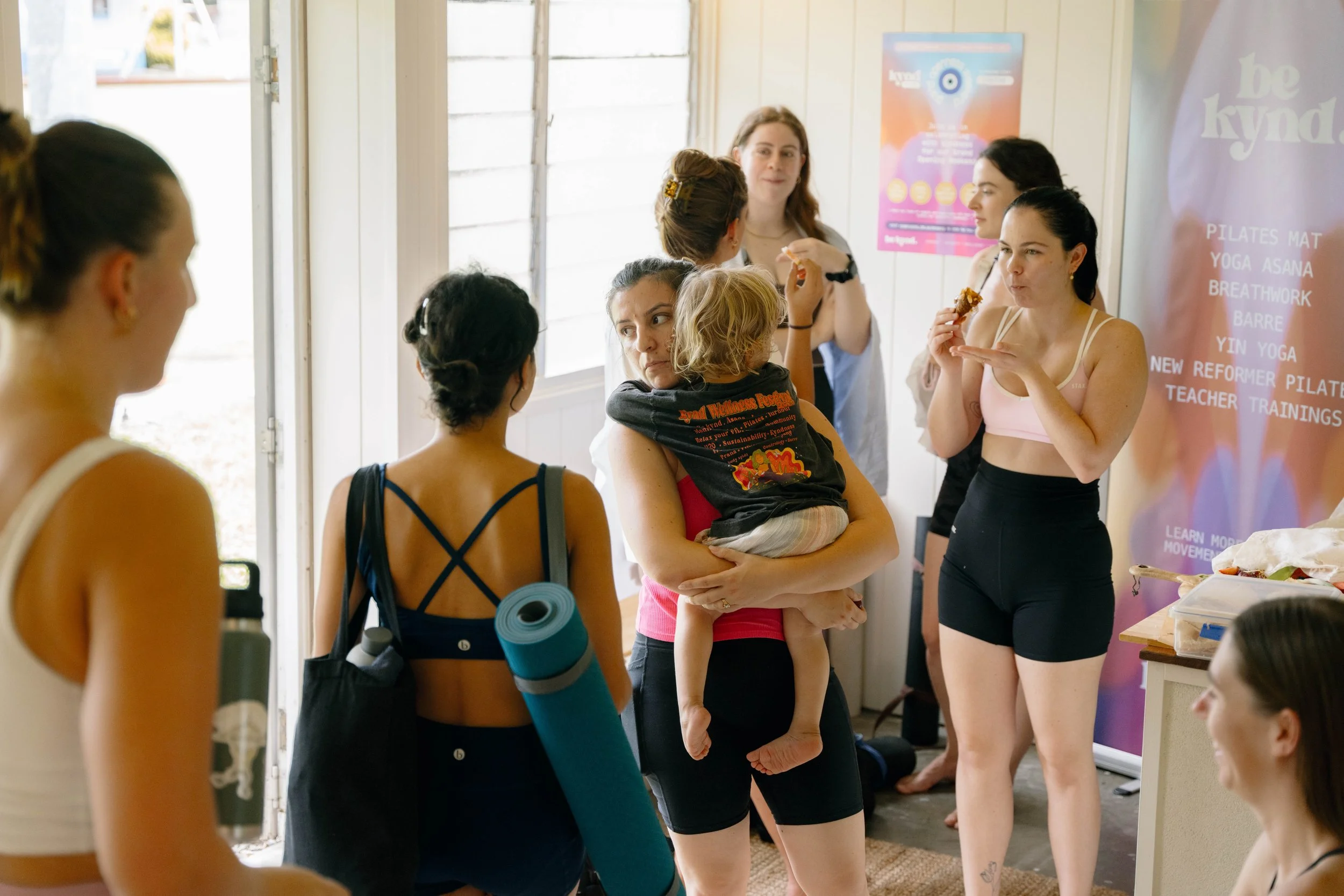
Mums and bubs class at Kynd
Evidence-based practice

We follow the
latest guidelines.

Your safety and an exceptional experience of kyndness is our driving force. We follow the latest guidelines, evidence-based practice, and advice by women's health physios and birthworkers to guide our practice.

Don't just take our word for it — here are the resources we draw on.

📄
Guidelines for physical activity during pregnancy
Australian Government, 2023
📄
Evidence-based physical activity guidelines for pregnant women
Brown et al., 2020
📄
Exercise during pregnancy: benefits and guidelines
ACOG, 2022
📄
Exercise during pregnancy — considerations and guidelines
RANZCOG, 2023
By trimester & special topics

Trimester guides &
special topics.

Evidence-based, Kynd-written guides for each stage of your pregnancy — and the topics that come up most in the studio.

First trimester Moving in your first trimester

The first trimester is when your body is working the hardest. You may not look pregnant yet, but you feel completely different. Exhaustion, nausea, and overwhelm are all completely normal — and none of them mean you need to stop moving.

The evidence is clear: safe prenatal exercise does not increase miscarriage risk (Davenport et al., 2019). Women who maintain regular physical activity in early pregnancy often experience better overall outcomes — improved maternal wellbeing, reduced fatigue, and lower risk of gestational diabetes.

If you have morning sickness: gentle movement can help. Try shorter classes, stay hydrated, and focus on nourishing food — folic acid, iodine, iron, zinc and omega-3s are especially important right now. Morning sickness passes for most women by weeks 12–18.

At Kynd, our Fundamentals and Slow Flow yoga classes are ideal in the first trimester — low intensity, gentle, and always adaptable to exactly how you're feeling that day.

Second trimester Moving in your second trimester

For many women the second trimester is a relief — the nausea settles, energy lifts, and you may feel more like yourself again. The "golden trimester."

Research consistently shows regular movement in the second trimester reduces risk of gestational diabetes, preeclampsia, and excessive weight gain (ACOG, 2020; Mottola et al., 2018). Strengthening the muscles around the pelvis, hips and back can also ease the discomfort that comes with a rapidly changing body.

Pelvic girdle pain: Up to 50% of women experience some degree of PGP in pregnancy. If this is you, modifications help — reducing single-leg movements, avoiding wide stances, and focusing on core and glute strengthening. Let your teacher know before class.

Mat Pilates, Reformer, and Vinyasa all work beautifully in the second trimester. Sculpt/Barre is also excellent — you're standing, supported, and the load on your belly is minimal.

Third trimester Moving in your third trimester

Your body is carrying its greatest physical load. Fatigue, back pain, swelling, breathlessness, disrupted sleep — all signs of how extraordinary what your body is doing right now. This is not the trimester to stop moving.

Research shows staying active in late pregnancy can reduce risk of gestational hypertension, support healthy weight gain, and lower likelihood of caesarean birth (ACOG, 2020; Mottola et al., 2018). Movement in these final weeks also regulates mood, eases anxiety, and supports sleep.

The goal shifts: We're not pushing harder — we're moving in ways that support your changing body. Expect to get out of breath faster. Expect workouts to feel different. That's completely normal. Slow down, take breaks, and trust your body.

Third-trimester modifications at Kynd include avoiding prolonged time flat on the back, reducing high-impact movements, and prioritising balance and support. Our teachers are experienced with late pregnancy and will guide every adaptation you need.

Special topic Pelvic girdle pain (PGP) and moving at Kynd

Pelvic girdle pain affects up to 60% of pregnant women — causing discomfort around the pelvis, hips, lower back, and pubic bone. It's caused by the joint, ligament, and postural changes your body makes as it adapts to pregnancy.

The good news: staying active can help. The key is how you move. PGP-friendly modifications at Kynd include:

  • Reducing single-leg or asymmetrical movements
  • Avoiding wide stance exercises
  • Focusing on core and glute strengthening for pelvic stability
  • Minimising high-impact or twisting movements

Please let your teacher know before class if you're experiencing PGP. Reformer Pilates is particularly well-suited as the machine supports your body through every movement. For severe PGP, we'd encourage working alongside a women's health physiotherapist for tailored assessment.

Special topic Pelvic floor and core during pregnancy — Kynd's position

There is a lot of conflicting information about pelvic floor and core work in pregnancy. Here's what the evidence actually says: when done correctly, targeted core and pelvic floor exercise is safe and beneficial (Davenport et al., 2019; ACOG, 2020). It can reduce urinary leakage, ease back and pelvic pain, support posture, and support labour outcomes.

However — and Claudia feels strongly about this — a universal approach to pelvic floor contractions (kegels) is not appropriate for everyone. We all have different pelvic floor histories, movement backgrounds, and birth histories. What helps one woman may not help another.

Claudia's position: work with a women's health physiotherapist or pelvic health therapist to understand what your pelvic floor specifically needs. In preparing for a physiological birth, the pelvic floor needs to be able to open and relax — not just strengthen. Sometimes too much strengthening work can be counter-productive to this goal.

Rebuilding pelvic floor strength and balance in the postpartum period is a different matter — and is genuinely useful for long-term pelvic health.

We will not cue the pelvic floor in classes. You are warmly encouraged to bring any strategies from your physio or other practitioners into your practice at Kynd.

Common questions

Pregnancy & postpartum
FAQs.

Pregnancy questions
Other studios won't allow me to practise beyond X weeks

You're truly welcome at any stage along your conception, pregnancy and postpartum journey (and we believe that postpartum is forever).

The guidelines that you cannot exercise beyond 12 or 16 or 20 weeks are outdated and based on fear. If you're feeling well, want to practise, and your pregnancy remains uncomplicated, you're welcome to continue with us.

Can I sweat?

We live in Cairns. You're likely no stranger to sweat. Our classes can get warm sometimes — but your body is always working to regulate your temperature, and this is no different in pregnancy.

If you feel too hot, take extra breaks, have some water, or step outside for a moment. You're welcome to claim the coolest spot in the room. You know your body best — listen to it, and we'll support you accordingly.

I'm worried that exercise will harm my baby

Worry is very common in pregnancy and is a sign your mothering instincts are working beautifully.

"Concerns that regular physical activity during pregnancy may cause miscarriage, poor fetal growth, musculoskeletal injury, or premature delivery have not been substantiated for women with uncomplicated pregnancies." — ACOG, 2020

If something doesn't feel right, listen to that inner voice and let us or your care provider know.

Can I lay on my back?

You can lay on your back for as long as you feel comfortable. Outdated advice was to turn pregnant women onto their sides, but we now say you can do all supine work as long as feels right for you.

We're only on our backs for less than a minute in any given class (with the exception of relaxation/savasana), so until 3rd trimester you can feel confident. After 3rd trimester, the latest evidence suggests you will still be fine — you may simply want to be slightly elevated as your belly grows. Just let us know if your care provider has advised otherwise.

Can I lay on my belly?

You can lay on your front for as long as feels comfortable — this varies from woman to woman. Some feel comfortable until they "pop", others not from the moment they discover they're pregnant. Regardless, we'll offer other options and will gently encourage another position for your comfort.

What should I avoid?

Yoga and Pilates are truly the most adaptable practices for pregnancy. We encourage you to avoid:

  • Risk of falling (virtually non-existent in mat classes)
  • Sudden fast movements (you can always slow down or we'll break a movement down for you)

Claudia also strongly believes in barre/sculpt in pregnancy — you're standing for most of the class, there's no pressure on the wrists, the load of the belly is lessened, and you have the barre as additional balance support.

Will Pilates help with pelvic floor exercises?

A universal approach to pelvic floor contractions (kegels) is something Claudia feels strongly about. We all have different pelvic floor histories, movement histories, and birth histories.

Claudia believes it is best to work with a women's health physio or pelvic health therapist to identify whether strengthening exercises are right for you. In preparing for a physiological birth, the pelvic floor needs to open and relax — sometimes too much strengthening can be counter-productive.

We will not cue the pelvic floor in classes. You are encouraged to incorporate any strategies from other professionals into your practice here.

Do I need to keep my heart rate at a certain level?

Unless your care provider has advised otherwise, we encourage you to use the Talk Test — only challenge yourself as much as you could maintain a conversation. If you could chat to the person on the mat next to you, your heart rate is perfect.

Can I stretch in pregnancy?

Pregnancy is an open, expansive and softening time — you are preparing your body and mind for the biggest expansion you will ever face. You can stretch as much as feels good. You will know if a stretch is too far.

When should I stop and seek medical attention?

Warning signs to stop exercise and seek medical attention include:

  • Chest pain
  • Persistent shortness of breath that does not improve with rest
  • Severe headache
  • Persistent dizziness or feeling faint that does not improve with rest
  • Regular painful uterine contractions
  • Vaginal bleeding
  • Persistent loss of fluid from the vagina (possible ruptured membranes)
  • Decreased fetal movement

Please let us know if you experience anything like this so we can support you best.

What conditions might restrict me from exercising?

Get expert advice from a health professional before starting or continuing physical activity if you have a history of, or develop, any of the following:

  • Spontaneous miscarriage, preterm labour or fetal growth restriction
  • Mild/moderate cardiovascular or chronic respiratory disease
  • Pregnancy induced hypertension
  • Poorly controlled seizure disorder
  • Type 1 diabetes
  • Symptomatic anaemia
  • Malnutrition, significantly underweight or eating disorder
  • Twin pregnancy after the 28th week
  • Other significant medical conditions

If your care provider advises that you may continue or commence yoga or Pilates with us, please get in touch so we can ensure we support you with the most suitable class style and teacher.

Postpartum questions
When can I return postpartum?

You are welcome to return when you feel ready — but we really encourage waiting until at least the 6–8 week mark. Your body needs time. Your mind needs time. Your family needs time to adjust. There's no rush — we promise we'll be here for you.

If you have had a caesarean section, you will likely need to wait until at least 8–12 weeks. Check with your care provider.

We do not endorse "bouncing back". We encourage slowly finding your flow, whilst simultaneously filling up your mama cup.

What can I do postpartum?

Every postpartum will feel different from woman to woman, baby to baby, and birth to birth. We will encourage you to:

  • Embrace the fourth trimester — rest, recover, eat nourishing food, and get out into the sunshine
  • Come along to a Mums & Bubs class (Wednesdays 10:30am) — a come-as-you-are safe space. Your baby can cry. You can cry. All emotions and energies are welcome.
  • Take lots of breaks, stay hydrated and eat enough food, especially as you increase your class practice again — and especially if you're breastfeeding
What should I avoid postpartum?

We encourage you to avoid:

  • Anything that doesn't feel right — on or off the mat. Honour your boundaries, your new family dynamics, and your journey through motherhood
  • Excessive stretching — postpartum is a very open, expansive time (vata) and we encourage limiting practices that increase these qualities
  • Experiencing cold where possible — to support blood flow, milk production, and the uterus returning to size, traditional theories suggest warmth through food, practices and clothing. Eat warming foods to support energy and blood flow.
  • Unsolicited advice — do what feels right for you and your baby, not what others think you should
What about stretching postpartum?

In the postpartum space, we encourage movement that brings you back into your centre. Pregnancy and birth are deeply expansive experiences — energetically, you can feel open and loose in body and mind.

We encourage movement that creates a bolstering, held sensation through the body — things like walking and Pilates when you feel ready. We would encourage being mindful of long slow practices such as yin yoga for the body, although the space feels heavenly for the mind.

Looking for trimester-by-trimester guides? See our trimester guides & special topics ↑
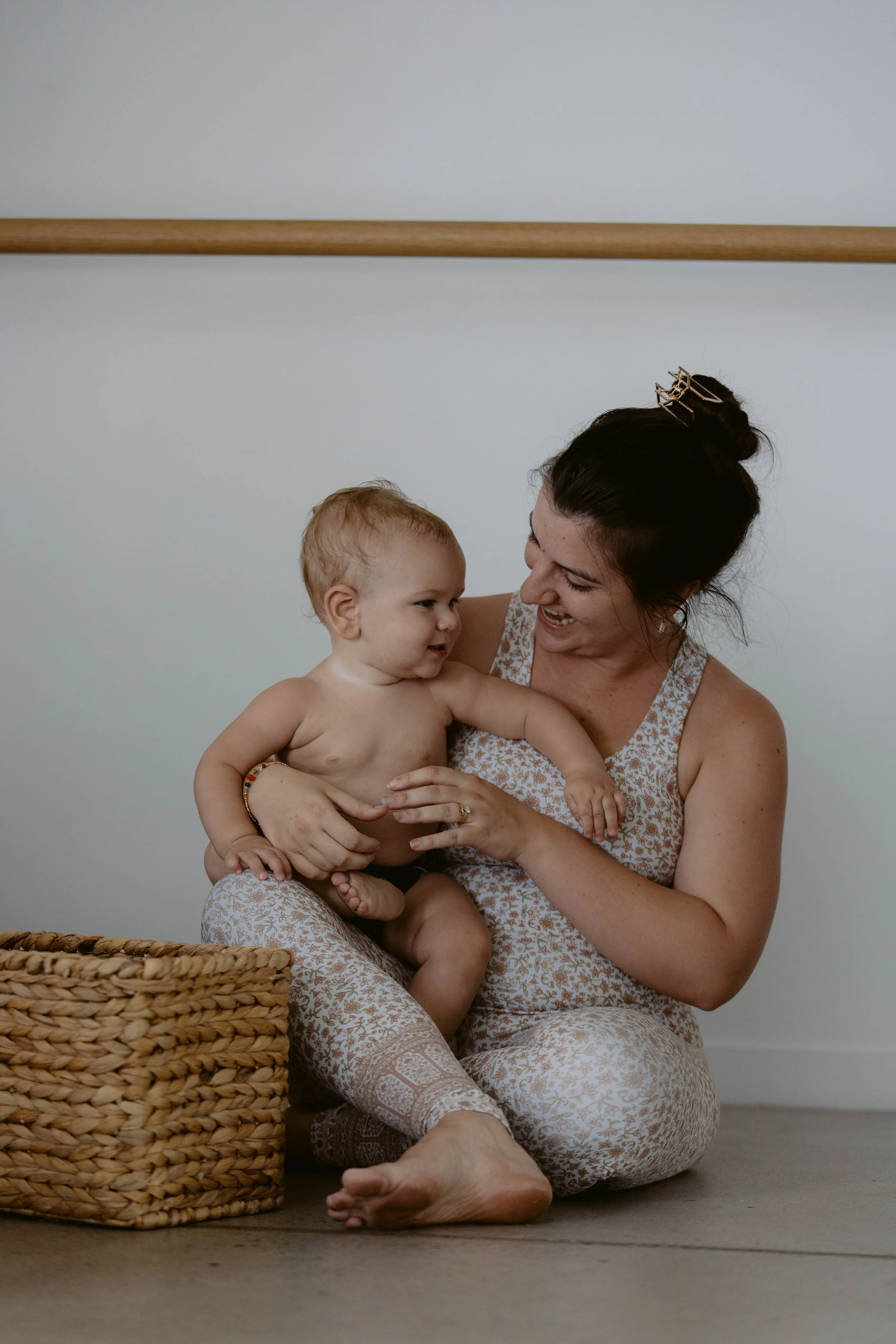
Claudia with baby at Kynd Studios
Coming back

Returning to
movement.

We encourage a slow postpartum fourth trimester. There is no rush. Here's how to think about your return.

Vaginal birth
6–8 weeks minimum
You are welcome to return when you feel ready, but we encourage waiting until at least the 6–8 week mark. Your body, mind and family all need time to adjust. We'll be here when you're ready.
Caesarean section
8–12 weeks minimum
A caesarean is major abdominal surgery. You will likely need to wait at least 8–12 weeks. Always check with your care provider before returning to class.
First steps back
Start slow — it's a journey
Start with Mums & Bubs, our Fundamentals classes, or a gentle Restorative session. Take breaks, stay hydrated, eat enough — especially if breastfeeding. Honour where your body is, not where it was.
Our promise
We do not endorse bounce-back culture
We encourage slowly finding your flow, whilst simultaneously filling up your mama cup. The studio will be here — in no hurry.
Common questions

Pregnancy & postpartum
FAQs.

Pregnancy questions
Other studios won't allow me to practise beyond X weeks

You're truly welcome at any stage along your conception, pregnancy and postpartum journey (and we believe that postpartum is forever).

The guidelines that you cannot exercise beyond 12 or 16 or 20 weeks are outdated and based on fear. If you're feeling well, want to practise, and your pregnancy remains uncomplicated, you're welcome to continue with us.

Can I sweat?

We live in Cairns. You're likely no stranger to sweat. Our classes can get warm sometimes — but your body is always working to regulate your temperature, and this is no different in pregnancy.

If you feel too hot, take extra breaks, have some water, or step outside for a moment. You're welcome to claim the coolest spot in the room. You know your body best — listen to it, and we'll support you accordingly.

I'm worried that exercise will harm my baby

Worry is very common in pregnancy and is a sign your mothering instincts are working beautifully.

"Concerns that regular physical activity during pregnancy may cause miscarriage, poor fetal growth, musculoskeletal injury, or premature delivery have not been substantiated for women with uncomplicated pregnancies." — ACOG, 2020

If something doesn't feel right, listen to that inner voice and let us or your care provider know.

Can I lay on my back?

You can lay on your back for as long as you feel comfortable. Outdated advice was to turn pregnant women onto their sides, but we now say you can do all supine work as long as feels right for you.

We're only on our backs for less than a minute in any given class (with the exception of relaxation/savasana), so until 3rd trimester you can feel confident. After 3rd trimester, the latest evidence suggests you will still be fine — you may simply want to be slightly elevated as your belly grows. Just let us know if your care provider has advised otherwise.

Can I lay on my belly?

You can lay on your front for as long as feels comfortable — this varies from woman to woman. Some feel comfortable until they "pop", others not from the moment they discover they're pregnant. Regardless, we'll offer other options and will gently encourage another position for your comfort.

What should I avoid?

Yoga and Pilates are truly the most adaptable practices for pregnancy. We encourage you to avoid:

  • Risk of falling (virtually non-existent in mat classes)
  • Sudden fast movements (you can always slow down or we'll break a movement down for you)

Claudia also strongly believes in barre/sculpt in pregnancy — you're standing for most of the class, there's no pressure on the wrists, the load of the belly is lessened, and you have the barre as additional balance support.

Will Pilates help with pelvic floor exercises?

A universal approach to pelvic floor contractions (kegels) is something Claudia feels strongly about. We all have different pelvic floor histories, movement histories, and birth histories.

Claudia believes it is best to work with a women's health physio or pelvic health therapist to identify whether strengthening exercises are right for you. In preparing for a physiological birth, the pelvic floor needs to open and relax — sometimes too much strengthening can be counter-productive.

We will not cue the pelvic floor in classes. You are encouraged to incorporate any strategies from other professionals into your practice here.

Do I need to keep my heart rate at a certain level?

Unless your care provider has advised otherwise, we encourage you to use the Talk Test — only challenge yourself as much as you could maintain a conversation. If you could chat to the person on the mat next to you, your heart rate is perfect.

Can I stretch in pregnancy?

Pregnancy is an open, expansive and softening time — you are preparing your body and mind for the biggest expansion you will ever face. You can stretch as much as feels good. You will know if a stretch is too far.

When should I stop and seek medical attention?

Warning signs to stop exercise and seek medical attention include:

  • Chest pain
  • Persistent shortness of breath that does not improve with rest
  • Severe headache
  • Persistent dizziness or feeling faint that does not improve with rest
  • Regular painful uterine contractions
  • Vaginal bleeding
  • Persistent loss of fluid from the vagina (possible ruptured membranes)
  • Decreased fetal movement

Please let us know if you experience anything like this so we can support you best.

What conditions might restrict me from exercising?

Get expert advice from a health professional before starting or continuing physical activity if you have a history of, or develop, any of the following:

  • Spontaneous miscarriage, preterm labour or fetal growth restriction
  • Mild/moderate cardiovascular or chronic respiratory disease
  • Pregnancy induced hypertension
  • Poorly controlled seizure disorder
  • Type 1 diabetes
  • Symptomatic anaemia
  • Malnutrition, significantly underweight or eating disorder
  • Twin pregnancy after the 28th week
  • Other significant medical conditions

If your care provider advises that you may continue or commence yoga or Pilates with us, please get in touch so we can ensure we support you with the most suitable class style and teacher.

Postpartum questions
When can I return postpartum?

You are welcome to return when you feel ready — but we really encourage waiting until at least the 6–8 week mark. Your body needs time. Your mind needs time. Your family needs time to adjust. There's no rush — we promise we'll be here for you.

If you have had a caesarean section, you will likely need to wait until at least 8–12 weeks. Check with your care provider.

We do not endorse "bouncing back". We encourage slowly finding your flow, whilst simultaneously filling up your mama cup.

What can I do postpartum?

Every postpartum will feel different from woman to woman, baby to baby, and birth to birth. We will encourage you to:

  • Embrace the fourth trimester — rest, recover, eat nourishing food, and get out into the sunshine
  • Come along to a Mums & Bubs class (Wednesdays 10:30am) — a come-as-you-are safe space. Your baby can cry. You can cry. All emotions and energies are welcome.
  • Take lots of breaks, stay hydrated and eat enough food, especially as you increase your class practice again — and especially if you're breastfeeding
What should I avoid postpartum?

We encourage you to avoid:

  • Anything that doesn't feel right — on or off the mat. Honour your boundaries, your new family dynamics, and your journey through motherhood
  • Excessive stretching — postpartum is a very open, expansive time (vata) and we encourage limiting practices that increase these qualities
  • Experiencing cold where possible — to support blood flow, milk production, and the uterus returning to size, traditional theories suggest warmth through food, practices and clothing. Eat warming foods to support energy and blood flow.
  • Unsolicited advice — do what feels right for you and your baby, not what others think you should
What about stretching postpartum?

In the postpartum space, we encourage movement that brings you back into your centre. Pregnancy and birth are deeply expansive experiences — energetically, you can feel open and loose in body and mind.

We encourage movement that creates a bolstering, held sensation through the body — things like walking and Pilates when you feel ready. We would encourage being mindful of long slow practices such as yin yoga for the body, although the space feels heavenly for the mind.

Looking for trimester-by-trimester guides? See our trimester guides & special topics ↑
Claudia with baby at Kynd Studios
Coming back

Returning to
movement.

We encourage a slow postpartum fourth trimester. There is no rush. Here's how to think about your return.

Vaginal birth
6–8 weeks minimum
You are welcome to return when you feel ready, but we encourage waiting until at least the 6–8 week mark. Your body, mind and family all need time to adjust. We'll be here when you're ready.
Caesarean section
8–12 weeks minimum
A caesarean is major abdominal surgery. You will likely need to wait at least 8–12 weeks. Always check with your care provider before returning to class.
First steps back
Start slow — it's a journey
Start with Mums & Bubs, our Fundamentals classes, or a gentle Restorative session. Take breaks, stay hydrated, eat enough — especially if breastfeeding. Honour where your body is, not where it was.
Our promise
We do not endorse bounce-back culture
We encourage slowly finding your flow, whilst simultaneously filling up your mama cup. The studio will be here — in no hurry.
Kynd-recommended

Local supports &
practitioners.

🌿
Curated local practitioner directory

We're building a curated list of Cairns practitioners Kynd recommends for pregnancy, postpartum, women's health physio, lactation support, pelvic floor therapy and more. Coming soon.

In the meantime, email us for a personal recommendation →
Mums and Bubs Pilates at Kynd Studios
Come as you are

Mums & Bubs
Reformer Pilates.

A come-as-you-are safe space for you and your baby. Your baby can cry. You can cry. All emotions and energies are welcome. Bring a pram, bring your chaos — we'll hold the space.

Wednesdays 10:30am · Stratford · Reformer Studio
Book Mums & Bubs →
Kynd Studios

Cairns' home of yoga, Pilates and holistic movement. Exceptional teachers, a community that genuinely changes lives.

[email protected] +61 482 085 942 Allow up to 48hrs for a response
Studio
Kynd Studios
96 Magazine Street
Stratford, Cairns 4870
(Gimuy Country)
View Timetable →
Navigate
  • Timetable
  • Classes
  • Our Story
  • Our Teachers
  • A Note from Claudia
Start Here
  • Intro Offers from $49
  • Pricing & Memberships
  • Terms & Conditions
  • FAQs
We acknowledge the Gimuy Walaburra Yidinji and Yirrganydji People as the Traditional Owners and Custodians of the Land that we practice on. We pay our respects to the Elders, past, present and emerging. We are committed to creating a culturally safe space and invite anyone who identifies as Aboriginal and/or Torres Strait Islander to reach out for access to classes.
© 2026 Kynd Studios
Designed by Kynd (Claudia)
Terms Privacy
Skip to Content
Kynd Pilates Reformer Yoga Studio Cairns
Edge Hill
Stratford Timetable - Reformer and Pilates and Yoga and Breathwork
Stratford Reformer Timetable
Our Vibe
Our Angels
Our Booking Tips
Our Answers to Your Questions
Our Contact Details
Your Love
Kynd Shop
Pricing
The Kynd Intro Offer
Teacher Training Academy 2025
Pilates Matwork Teacher Training
NEW TO KYND
0
0
BOOK A CLASS
Kynd Pilates Reformer Yoga Studio Cairns
Edge Hill
Stratford Timetable - Reformer and Pilates and Yoga and Breathwork
Stratford Reformer Timetable
Our Vibe
Our Angels
Our Booking Tips
Our Answers to Your Questions
Our Contact Details
Your Love
Kynd Shop
Pricing
The Kynd Intro Offer
Teacher Training Academy 2025
Pilates Matwork Teacher Training
NEW TO KYND
0
0
BOOK A CLASS
Folder: TIMETABLE
Back
Edge Hill
Stratford Timetable - Reformer and Pilates and Yoga and Breathwork
Stratford Reformer Timetable
Folder: ABOUT
Back
Our Vibe
Our Angels
Our Booking Tips
Our Answers to Your Questions
Our Contact Details
Your Love
Kynd Shop
Folder: PRICING
Back
Pricing
The Kynd Intro Offer
Folder: ACADEMY
Back
Teacher Training Academy 2025
Pilates Matwork Teacher Training
NEW TO KYND
BOOK A CLASS